Townsfolk
Steward
You start knowing 1 good player.
How DARE you accuse Her Ladyship of wrongdoing? I’ve known her my entire life! All nine years!
"You start knowing 1 good player." The Steward knows 1 good player. The Steward learns a player, but not their character. The Steward learns their information on the first night of the game. If created mid-game, then the Steward learns their information that night instead.
How to Run
- While preparing the first night, put the KNOW reminder by any good character token. During the first night, wake the Steward. Point to the player marked KNOW. Put the Steward to sleep.
Townsfolk
Noble
You start knowing 3 players, 1 and only 1 of which is evil.
Sarcasm is indeed the lowest form of wit. But speaking in response to your criticism, Sir, it is, nevertheless, a form of wit.
"You start knowing 3 players, 1 and only 1 of which is evil." The Noble learns that one of three players is evil. The Noble learns their information on the first night only. If a Noble is created mid-game, the Noble learns their information on their first night. The Noble learns two good players and one evil player. They may not learn one good player and two evil players. They may not learn three evil players.
How to Run
- While preparing the first night, mark two good players' character tokens with Noble KNOW reminders. Mark any evil player's character token with the third KNOW reminder.
- During the first night, wake the Noble. Point to all three players marked KNOW. Put the Noble to sleep.
Townsfolk

Shugenja
You start knowing if your closest evil player is clockwise or anti-clockwise. If equidistant, this info is arbitrary.
これは夢。それも夢。すべ て夢です。
"You start knowing if your closest evil player is clockwise or anti-clockwise. If equidistant, this info is arbitrary." The Shugenja trusts players to their left, or to their right. The closest evil player is the player with the smallest number of steps from the Shugenja to the evil player. If the evil players are ‘equidistant’, that means that the closest evil player clockwise is the same number of steps away from the Shugenja as the closest evil player anti-clockwise. If the evil players are equidistant, the storyteller gives ‘arbitrary’ information to the Shugenja. This means that the Storyteller chooses whether to tell the Shugenja that the closest evil player is clockwise or anti-clockwise. The Shugenja doesn’t know whether their information is arbitrary or not. The Shugenja does not learn how many steps away the evil player is. If a Shugenja is created mid-game, the Shugenja wakes that night to receive their information. The Storyteller communicates with the Shugenja by pointing a finger in the appropriate direction, but may use other methods if they wish.
How to Run
- During the first night, wake the Shugenja. If the closest evil player is in a clockwise direction, point your finger horizontally in that direction. If the closest evil player is in an anti-clockwise direction, point your finger horizontally in that direction. If the two closest evil players are equidistant, point your finger horizontally in either direction. Put the Shugenja to sleep.
Townsfolk

Pixie
You start knowing 1 in-play Townsfolk. If you were mad that you were this character, you gain their ability when they die.
Round and round the garden, go. Little girls run to and fro. Little boys climb up the tree. Which of these should Pixie be? Ladies smile and go to town. Lords with axe chop forest down. What’s yours is mine. What’s mine, divine. Silly little Pixie, me.
"You start knowing 1 in-play Townsfolk. If you were mad that you were this character, you gain their ability when they die." The Pixie pretends to be the same character as someone else. On the first night, the Pixie learns an in-play Townsfolk. The Storyteller chooses which Townsfolk this is. The Pixie does not learn which player is this character. If the Pixie player pretends that they are this Townsfolk, they gain the ability of this Townsfolk when the Townsfolk dies. They could have spoken loudly about being the character for one day, or pretended to be the character each day this game, or accused the Townsfolk of being a liar—the Storyteller is the judge of whether or not the player was convincing, by “being mad that they are this character”. When the Townsfolk player dies, the Pixie does not learn this, and is not told that they have gained a new ability. They may learn this has happened if they wake at night and start gaining information, or are prompted to choose players. If the player the Pixie learns about changes character then dies, the Pixie gains the ability of the Townsfolk the Pixie learnt about, not the new character.
How to Run
- During the first night, mark a Townsfolk character token with the Pixie’s MAD reminder. Wake the Pixie. Show the Pixie this Townsfolk character token. Put the Pixie to sleep.
- If the Townsfolk marked MAD dies, and you feel that the Pixie player has been sufficiently mad that they were this character, replace the MAD reminder with the HAS ABILITY reminder. The Pixie now has this Townsfolk’s ability, and will wake at night when this Townsfolk would normally wake.
Townsfolk

Empath
Each night, you learn how many of your 2 alive neighbors are evil.
My skin prickles. Something is not right here. I can feel it.
"Each night, you learn how many of your 2 alive neighbors are evil." The Empath keeps learning if their living neighbours are good or evil. The Empath only learns how many of their neighbours are evil, not which one is evil. The Empath does not detect dead players. So, if the Empath is sitting next to a dead player, they do not get info about that dead player. Instead, they get info about the closest alive player in that direction. The Empath acts after the Demon, so if the Demon kills one of the Empath's alive neighbours, the Empath does not learn about the now-dead player. The Empath's information is accurate at dawn, not at dusk.
How to Run
- Each night, wake the Empath. Show them fingers (0, 1, or 2) equaling the number of evil players neighbouring the Empath. Put the Empath to sleep.
Townsfolk

Fortune Teller
Each night, choose 2 players: you learn if either is a Demon. There is a good player that registers as a Demon to you.
I sense great evil in your soul! But... that could just be your perfume. I am allergic to Elderberry.
"Each night, choose 2 players: you learn if either is a Demon. There is a good player that registers as a Demon to you." The Fortune Teller detects who the Demon is, but sometimes thinks good players are Demons. Each night, the Fortune Teller chooses two players and learns if at least one of them is a Demon. They do not learn which of them is a Demon, just that one of them is. If neither is the Demon, they learn this instead. Unfortunately, one player, called the Red Herring, will register as a Demon to the Fortune Teller if chosen. The Red Herring is the same player throughout the entire game. This player may be any good player, even the Fortune Teller themself, and the Fortune Teller does not know which player it is. The Fortune Teller may choose any two players—alive or dead, or even themself. If they choose a dead Demon, then the Fortune Teller still receives a nod.
How to Run
- While preparing the first night, put the Fortune Teller's RED HERRING reminder token by any good character token, marking that player as the Red Herring.
- Each night, wake the Fortune Teller. The Fortune Teller points at any two players. If either chosen player is a Demon or the Red Herring, nod your head yes. Otherwise, shake your head no. Put the Fortune Teller to sleep.
- In smaller games, making the Fortune Teller their own Red Herring is sometimes advised, as the Fortune Teller gets more information that way.
Townsfolk
Oracle
Each night*, you learn how many dead players are evil.
Only the chosen may gaze beyond the veil. The dead are restless, and they point in silence toward the icy north.
"Each night*, you learn how many dead players are evil." The Oracle knows how many dead players are evil. Because the Oracle acts after the Demon attacks each night, the Oracle’s info refers to the players that are dead when dawn breaks and all players open their eyes. The Oracle detects dead Minions and Demons, but also any other players that are evil, such as evil Travellers, or Townsfolk and Outsiders that have been turned evil. When counting the number of dead players, remember to count Townsfolk and Outsider tokens that are upside-down, which means their alignment is the opposite of what is printed.
How to Run
- Each night except the first, wake the Oracle. Show fingers (0, 1, 2, etc.) equaling the number of dead evil players. Then, put the Oracle to sleep.
Townsfolk
Monk
Each night*, choose a player (not yourself): they are safe from the Demon tonight.
'Tis an ill and deathly wind that blows tonight. Come, my brother, take shelter in the abbey while the storm rages. By my word, or by my life, you will be safe.
"Each night*, choose a player (not yourself): they are safe from the Demon tonight." The Monk protects other players from the Demon. Each night except the first, the Monk may choose to protect any player except themself. If the Demon attacks a player who has been protected by the Monk, then that player does not die. The Demon does not get to attack another player—there is simply no death tonight. The Monk does not protect against the Demon nominating and executing someone.
How to Run
- Each night except the first, wake the Monk. The Monk points at any player except themself. (If the Monk points at themself, shake your head no and prompt them to point at another player.) Put the Monk to sleep. Put the Monk's SAFE reminder token by the chosen player's character token.
- If the Demon attacks the player marked SAFE, the player remains alive. (Do not mark them with the Demon's DEAD reminder token or add a shroud as you normally would.) At dawn, declare that no one died at night. (Do not say why.)
- At dawn, remove the SAFE reminder token.
- In other editions, Demons may have abilities other than killing. The Monk's protection also prevents all other harmful effects of the Demon's ability, such as poisoning or turning the protected player evil.
Townsfolk

Alsaahir
Each day, if you publicly guess which players are Minion(s) and which are Demon(s), good wins.
I am here because of you, and you are here because of me.
"Each day, if you publicly guess which players are Minion(s) and which are Demon(s), good wins." The Alsaahir guesses the entire evil team. The Alsaahir’s guesses need to be public, and they need to be during the day. They don’t have to guess every day. Other players may pretend to be the Alsaahir and make a guess. Like the Juggler or the Gossip, the Storyteller will briefly pretend that player is the Alsaahir. If the Alsaahir guesses the Demon player as the Demon, and the Minion players as Minions, the game ends immediately. The Alsaahir must guess all Demon and Minion players. The Alsaahir doesn’t need to guess specific minion characters, nor specific Demon characters. If there is more than one Demon in play, all Demons must be guessed, including dead Demons. If a player is a Minion and Demon, such as Legion, the Alsaahir must guess this player as a Demon. Once a guess is made, the Alsaahir cannot change their mind later that day and guess again. The Alsaahir needs to guess Minions and Demons, even if they are good, but need not guess which Travellers are evil. If the evil team has changed during the game, the Alsaahir must guess the current evil team, not the starting evil team.
How to Run
- Each day, once only, if the Alsaahir declares that they wish to use their ability, prompt them to guess which player is the Demon, and which player(s) are Minions. If incorrect, nothing happens and the game continues. If correct, declare that good wins.
Examples & Notes
- Optional rule: like the Juggler and the Gossip, the Storyteller may limit the number of players that make an Alsaahir guess to three players per day. Only use this optional rule if so many players are bluffing as the Alsaahir that the game slows down and ceases to be fun.
Townsfolk
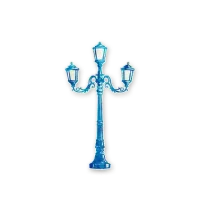
Nightwatchman
Once per game, at night, choose a player: they learn you are the Nightwatchman.
The night is cold and lonely, but I have the moon, the stars, the crisp wind and the soft thud of leather boots on cobbled stone for company. Yonder, candlelight flickers behind a murky window...
"Once per game, at night, choose a player: they learn you are the Nightwatchman." The Nightwatchman is known by one player. At night, the Nightwatchman chooses a player. This player wakes, and learns which player the Nightwatchman is. The Nightwatchman and their chosen player do not make eye contact. They wake separately. The Nightwatchman player chooses which night to act.
How to Run
- Each night, wake the Nightwatchman. The Nightwatchman either shakes their head or points at any player. Put the Nightwatchman to sleep.
- If the Nightwatchman pointed at a player, wake them and show them the Nightwatchman token, then point to the Nightwatchman player. Put the chosen player to sleep. The Nightwatchman loses their ability – mark them with a NO ABILITY reminder and remove their night token from the night sheet.
Townsfolk

Huntsman1-75
게임당 한 번, 밤에 살아있는 플레이어를 1명 선택합니다. 아가씨를 선택하면 아가씨는 참가하지 않은 주민 캐릭터가 됩니다. [+ 아가씨]
Not written yet.
Townsfolk

Minstrel
When a Minion dies by execution, all other players (except Travellers) are drunk until dusk tomorrow.
And I shall hear, tho' soft you tread above me... And all my dreams will warm and sweeter be... If you'll not fail to tell me that you love me... I simply sleep in peace until you come to me.
"When a Minion dies by execution, all other players (except Travellers) are drunk until dusk tomorrow." The Minstrel makes everybody drunk if a Minion dies. If a Minion is executed and dies, all players (except the Minstrel) become drunk immediately and stay drunk all through the night and all the following day. Townsfolk, Outsiders, Minions, and even Demons become drunk, but not Travellers. This doesn’t happen if a Minion died at night. If a dead Minion is executed, the Minstrel ability does not trigger—a dead character cannot die again! If a Minion is executed but does not die, the Minstrel’s ability does not trigger. If the Minstrel is drunk or poisoned when a Minion dies by execution, the Minstrel ability does not trigger.
How to Run
- During the day, if a Minion dies by execution, all other players except Travellers become drunk—put the Minstrel’s EVERYONE IS DRUNK reminder in the center of the left side of the Grimoire.
- At dusk tomorrow, all players made drunk by the Minstrel become sober—remove the EVERYONE IS DRUNK reminder.
Townsfolk

Banshee
If the Demon kills you, all players learn this. From now on, you may nominate twice per day and vote twice per nomination.
Gorm do shúile, dearg do ghruaig, ní bheidh sé i bhfad, is a mbeidh tú san uaigh.
"If the Demon kills you, all players learn this. From now on, you may nominate twice per day and vote twice per nomination.” The Banshee becomes more powerful when dead, nominating and voting twice as much. When alive, the Banshee nominates and votes as normal. When dead, they may nominate twice per day, even though dead players may normally not nominate at all. When dead, they may vote for any nomination they wish and do not need a vote token to do so. They may vote twice for the same nomination. The Banshee only gains these powers if they were killed by the Demon. Dying by execution or to a non-Demon ability does not count. To vote twice, the Banshee player raises both hands when votes are counted. If the player is unable to do this due to a disability, the Storyteller can count their normal vote twice.
How to Run
- If the Banshee is killed by the Demon, place the HAS ABILITY reminder token next to the Banshee and say “The Banshee has awoken” or something similarly dramatic. The Banshee may nominate twice per day, but it is the player’s responsibility to remember how many times they have nominated. The Banshee may raise two hands when voting. When counting the votes, count each hand as a vote.
- If the Banshee is killed by the Demon but does not have their ability at that time or is killed by a non-Demon ability, then do not tell the group that the Banshee ability has been triggered. The Banshee may not nominate, and needs a vote token to vote, like a regular dead player.
Examples & Notes
- If all good players are dead, the game continues. Good can still win due to the Banshee being able to nominate.
Outsider

Ogre
On your 1st night, choose a player (not yourself): you become their alignment (you don't know which) even if drunk or poisoned.
<grunt><grin></grunt>
"On your 1st night, choose a player (not yourself): you become their alignment (you don't know which) even if drunk or poisoned.” The Ogre is someone's best friend. The Ogre's chosen player does not change, even if the Ogre is drunk or poisoned when they chose. The Ogre becomes the same alignment as their chosen player immediately on the first night, even if the Ogre is drunk or poisoned. The Ogre is not told their alignment at the beginning of the game. If the Ogre changes alignment by other means, the Ogre learns their new alignment, as normal. If an Ogre is created mid-game, the Ogre chooses a player that night, and becomes their alignment.
How to Run
- During the first night, wake the Ogre. The Ogre points to a player. Put the Ogre to sleep. If the Ogre pointed to an evil player, flip the Ogre's character token upside down to represent that the Ogre is evil.
Examples & Notes
- Optional rule: Mark the Ogre’s chosen player with a FRIEND reminder. The Ogre is always the same alignment as their friend. If the Ogre’s friend changes alignment, the Ogre changes alignment too, but the Ogre does not learn this.
- This is only recommended for games of 15 players or more, so that there are not too many evil players.
Outsider

Drunk
You do not know you are the Drunk. You think you are a Townsfolk character, but you are not.
I’m only a hic social drinker, my dear. Admittedly, I am a heavy burp socializer.
"You do not know you are the Drunk. You think you are a Townsfolk character, but you are not." The Drunk player thinks that they are a Townsfolk, and has no idea that they are actually the Drunk. During setup, the Drunk's token does not go in the bag. Instead, a Townsfolk character token goes in the bag, and the player who draws that token is secretly the Drunk for the whole game. The Storyteller knows. The player does not. The Drunk has no ability. Whenever their Townsfolk ability would affect the game in some way, it doesn't. However, the Storyteller pretends that the player is the Townsfolk they think they are. If that character would wake at night, the Drunk wakes to act as if they are that Townsfolk. If that Townsfolk would gain information, the Storyteller may give them false information instead—and the Storyteller is encouraged to do so.
How to Run
- While setting up the game, before putting character tokens in the bag, remove the Drunk token and add a Townsfolk character token. Add the Drunk's IS THE DRUNK reminder token to the Grimoire. Put the swapped Townsfolk character token in the bag, not the Drunk character token.
- While preparing the first night, put the Drunk's IS THE DRUNK reminder token by any Townsfolk character token, changing that player's character to the Drunk. They are now an Outsider, and do not have the ability of this Townsfolk character. (But they think they do.)
- During the game, act as if the Drunk is actually this Townsfolk character. (If that character would wake to act at night, the Drunk wakes to act. If their ability would give them information, you can give false information to them if you wish. See "Drunkenness and Poisoning" in the rulebook.)
Outsider

Zealot1-75
만약 살아있는 플레이어가 5명 이상이라면, 모든 처형 투표에 손을 들어야 합니다.
Not written yet.
Outsider

Damsel
All Minions know a Damsel is in play. If a Minion publicly guesses you (once), your team loses.
Don't touch the hair, honey.
"All Minions know a Damsel is in play. If a Minion publicly guesses you (once), your team loses." The Damsel needs to avoid being found by the Minions. If a Minion guesses that you are the Damsel, and does so publicly (so that all players know that they are a Minion), evil wins. No matter how many Minions are in play, they only get one guess, total. If a Minion makes a guess and is wrong, future guesses by this Minion or by other Minions don’t count. If the Demon pretends to be a Minion making a guess, that doesn’t count as a guess. Minions may still make a guess and win. Minions may make a guess at any time. If the Damsel dies, they are no longer at risk of being guessed by a Minion, since the Damsel loses their ability when dead. There may not be a Huntsman in play. But if there is, and the Huntsman chooses the Damsel at night, the Damsel becomes a not-in-play Townsfolk, and is no longer the Damsel. The Damsel learns which Townsfolk and has that Townsfolk ability from then on.
How to Run
- During the first night, wake each Minion. Show the Damsel token. Put each Minion to sleep.
- At any time during the game, if a Minion publicly guesses which player is the Damsel and is incorrect, mark the Damsel with the GUESS USED reminder. Future guesses by Minion players have no effect.
- At any time during the game, if a Minion publicly guesses which player is the Damsel and is correct, the game ends. Declare that the evil team wins.
Minion
Poisoner
Each night, choose a player: they are poisoned tonight and tomorrow day.
Add compound Alpha to compound Beta... NOT TOO MUCH!
"Each night, choose a player: they are poisoned tonight and tomorrow day." The Poisoner secretly disrupts character abilities. Each night, the Poisoner chooses someone to poison for that night and the entire next day. A poisoned player has no ability, but the Storyteller pretends they do. They do not affect the game in any real way. However, to keep up the illusion that the poisoned player is not poisoned, the Storyteller wakes them at the appropriate time and goes through the motions as if they were not poisoned. If their ability gives them information, the Storyteller may give them false information. If a poisoned player uses a "once per game" ability while poisoned, they cannot use their ability again.
How to Run
- Each night, wake the Poisoner. They point at any player. The chosen player becomes poisoned—put the POISONED reminder token by the chosen player's character token. Put the Poisoner to sleep. (This poisoned player wakes and acts normally. They have no ability, but they think they do. If their ability would give them information, you can give false information to them if you wish. See “Drunkenness and Poisoning” in the rulebook.)
- Each dusk, the poisoned player becomes healthy—remove their POISONED reminder.
Minion
Wraith
You may choose to open your eyes at night. You wake when other evil players do.
Ra'āb ina pān ṣilli ša dāri. Rigim qallu ina šūri, šītu ša šunātīka iredde, u napšutka idlul ina pān maṣṣartī dāriti.
"You may choose to open your eyes at night. You wake when other evil players do." The Wraith knows and shares what happens at night. The Wraith may open their eyes at any point during the night, for as long or as short a time as they wish. They may open their eyes fully, or just peek. The Storyteller wakes the Wraith when other evil players also wake, such as when the Demon kills a player, an evil Traveller uses their ability, or a Cult Leader learns that they are evil. When several players have their eyes open at once, they may communicate if they wish. If a good player catches the Wraith with their eyes open, there is no mechanical effect. A dead Wraith may not open their eyes at night. A drunk or poisoned Wraith is told by the Storyteller that they may not open their eyes that night.
How to Run
- Each time you wake an evil player at night, first wake the Wraith. When you put that evil player to sleep, put the Wraith to sleep.
- If the Wraith loses their ability while alive, privately tell the Wraith that they may not choose to open their eyes tonight, and do not wake them when other evil players wake.
Examples & Notes
- Optional rule: Once per game, a player that is mad that you are the Wraith, dies.
Minion
Goblin1 75 2-75
만약 당신이 지명될 때 공개적으로 고블린이라고 주장한 뒤 처형되면, 당신의 진영이 승리합니다.
Not written yet.
Minion
Scarletwoman1-75
만약 살아있는 플레이어가 5명 이상이라면, 악마가 죽으면 당신은 악마가 됩니다. 여행자는 세지 않습니다.
Not written yet.
Demon

Imp
Each night*, choose a player: they die. If you kill yourself this way, a Minion becomes the Imp.
We must keep our wits sharp and our sword sharper. Evil walks among us, and will stop at nothing to destroy us good, simple folk, bringing our fine town to ruin. Trust no-one. But, if you must trust someone, trust me.
"Each night*, choose a player: they die. If you kill yourself this way, a Minion becomes the Imp." The Imp kills a player each night, and can make copies of itself... for a terrible price. On each night except the first, the Imp chooses a player to kill. Because most characters act after the Demon, that player will probably not get to use their ability tonight. The Imp, because they're a Demon, knows which players are their Minions, and knows three not-in-play good characters that they can safely bluff as. If the Imp dies, the game ends and good wins. However, if the Imp kills themself at night, they die and an alive Minion becomes an Imp. This new Imp does not act that same night, but is now the Imp in every other way—they kill each night, and lose if they die.
How to Run
- Each night except the first, wake the Imp. The Imp points at any player. Put the Imp to sleep. The chosen player dies—put the Imp's DEAD reminder by the chosen player's character token in the Grimoire and put a shroud on it.
- If the Imp killed themself at night, choose an alive Minion and replace their character token with a spare Imp token, changing their character to the Imp. Wake the new Imp, show them the YOU ARE info token, then show them the Imp token. Put the new Imp to sleep.
- At dawn, declare which player died at night. (Do not say how they died.)
- If the Imp attacks a dead player at night, let them do so. Whenever a character's ability says "choose a player," that means that any player—alive or dead—can be chosen. The Imp may be planning on bluffing as the Soldier, and this kind of thing helps their bluff look stronger.
Demon
Ojo
Each night*, choose a character: they die. If they are not in play, the Storyteller chooses who dies.
Like a bonfire on a moonless night… I see you, mortal.
"Each night*, choose a character: they die. If they are not in play, the Storyteller chooses who dies." The Ojo chooses specifically which character dies. Unlike other Demons, the Ojo must choose a character, not a player. The Storyteller may need to remind the player of this. We recommend that all players have their character sheet handy during the night phase. The Ojo can kill evil characters, if they wish. If there are multiple copies of a particular character in play, and the Ojo chooses that character to die, only one of those characters dies. If the Ojo chooses a character that is not in play, the Storyteller will almost always kill a living good player. It is possible, but uncommon, for the Storyteller to choose a dead player or an evil player to die.
How to Run
- Each night except the first, wake the Ojo. The Ojo player points to a character icon on their character sheet. If that character is in play, that player dies—mark them with the “Dead” reminder. If that character is not in play, choose any player. That player dies—mark them with the “Dead” reminder. Put the Ojo to sleep.
Examples & Notes
- If the Ojo is on a script with a Demon that kills multiple times per night, such as the Shabaloth, and the Ojo chooses a not-in-play character, you may choose more than one player to kill that night. This helps the Ojo player pretend that a different Demon is in play.