Townsfolk

Noble
You start knowing 3 players, 1 and only 1 of which is evil.
Sarcasm is indeed the lowest form of wit. But speaking in response to your criticism, Sir, it is, nevertheless, a form of wit.
"You start knowing 3 players, 1 and only 1 of which is evil." The Noble learns that one of three players is evil. The Noble learns their information on the first night only. If a Noble is created mid-game, the Noble learns their information on their first night. The Noble learns two good players and one evil player. They may not learn one good player and two evil players. They may not learn three evil players.
How to Run
- While preparing the first night, mark two good players' character tokens with Noble KNOW reminders. Mark any evil player's character token with the third KNOW reminder.
- During the first night, wake the Noble. Point to all three players marked KNOW. Put the Noble to sleep.
Townsfolk

Grandmother
You start knowing a good player & their character. If the Demon kills them, you die too.
Take a jacket if you go outside, dearie. And your thermos. And your scarf. I have a weak heart, you know. Whatever would I do if you caught cold...or worse?
"You start knowing a good player & their character. If the Demon kills them, you die too." The Grandmother knows who their grandchild is, but if they are killed by the Demon, the Grandmother dies too. During the first night, the Grandmother learns their Grandchild—a good player who is a Townsfolk or Outsider. The Grandchild does not learn that they have a Grandmother. If the Demon kills the Grandchild, the Grandmother dies too. If the Grandchild dies by any other means—such as execution, or another type of death at night—the Grandmother does not also die.
How to Run
- When preparing the first night, choose a Grandchild by marking any good character with the GRANDCHILD reminder.
- During the first night, wake the Grandmother and show them the character token marked GRANDCHILD, then point at the Grandchild player, then put the Grandmother to sleep.
- If the Demon kills the Grandchild, the Grandmother dies - mark them with the DEAD reminder.
Townsfolk

Librarian
You start knowing that 1 of 2 players is a particular Outsider. (Or that zero are in play.)
Certainly madam, under normal circumstances, you may borrow the Codex Malificarium from the library vaults. However, you do not seem to be a member.
"You start knowing that 1 of 2 players is a particular Outsider. (Or that zero are in play.)" The Librarian learns that a particular Outsider character is in play, but not exactly which player it is. During the first night, the Librarian learns that one of two players is a specific Outsider. They learn this only once and then learn nothing more. The Drunk is an Outsider. If the Librarian learns that one of two players is the Drunk, they do not learn the Townsfolk that the Drunk's player thinks they are.
How to Run
- While preparing the first night, put the Librarian's OUTSIDER reminder token by any Outsider character token, and put the Librarian's WRONG reminder token by any other character token.
- During the first night, wake the Librarian and point to the players marked OUTSIDER and WRONG. Show the character token marked OUTSIDER to the Librarian. Put the Librarian to sleep. Remove the Librarian's reminder tokens when convenient.
Townsfolk

Shugenja
You start knowing if your closest evil player is clockwise or anti-clockwise. If equidistant, this info is arbitrary.
これは夢。それも夢。すべ て夢です。
"You start knowing if your closest evil player is clockwise or anti-clockwise. If equidistant, this info is arbitrary." The Shugenja trusts players to their left, or to their right. The closest evil player is the player with the smallest number of steps from the Shugenja to the evil player. If the evil players are ‘equidistant’, that means that the closest evil player clockwise is the same number of steps away from the Shugenja as the closest evil player anti-clockwise. If the evil players are equidistant, the storyteller gives ‘arbitrary’ information to the Shugenja. This means that the Storyteller chooses whether to tell the Shugenja that the closest evil player is clockwise or anti-clockwise. The Shugenja doesn’t know whether their information is arbitrary or not. The Shugenja does not learn how many steps away the evil player is. If a Shugenja is created mid-game, the Shugenja wakes that night to receive their information. The Storyteller communicates with the Shugenja by pointing a finger in the appropriate direction, but may use other methods if they wish.
How to Run
- During the first night, wake the Shugenja. If the closest evil player is in a clockwise direction, point your finger horizontally in that direction. If the closest evil player is in an anti-clockwise direction, point your finger horizontally in that direction. If the two closest evil players are equidistant, point your finger horizontally in either direction. Put the Shugenja to sleep.
Townsfolk

Sailor
Each night, choose an alive player: either you or they are drunk until dusk. You can't die.
I'll drink any one of yer under the table! You! The chatterbox! Reckon you can take me? No? Howza 'bout you, Grandma? You ever tried Old McKillys Extra Spiced Rum before? Guaranteed to put hairs on yer chest! Step aboard, aye!
"Each night, choose an alive player: either you or they are drunk until dusk. You can't die." The Sailor is either drunk or getting somebody else drunk. While the Sailor is sober, they can't die. Each night, the Sailor chooses a player, who will probably get drunk. If they choose themself, they lose their “cannot die” ability until they become sober. If the Sailor chooses a dead player accidentally, the Storyteller prompts them to choose again. If the Sailor chooses another player, the Storyteller chooses which player is drunk. If they choose a Townsfolk, the Storyteller will usually make the Townsfolk drunk, but if an Outsider, a Minion, or the Demon is chosen, then the Storyteller will usually make the Sailor the drunk one. While sober, the Sailor cannot die, even if they have not yet woken at night to go drinking.
How to Run
- Each night, wake the Sailor. They point at any player. Put the Sailor to sleep. Either the Sailor or this chosen player becomes drunk—mark them with the DRUNK reminder.
- If the sober Sailor would die, the Sailor remains alive. If the sober Sailor is executed, declare that this player is executed but remains alive. (Do not say why.)
Townsfolk

Chambermaid
Each night, choose 2 alive players (not yourself): you learn how many woke tonight due to their ability.
I aint seen nothin' untoward, Milady. Begging your pardon, but if I did see somethin', it certainly weren't the master o' the house sneaking into the professor's laboratory 'round eleven o'clock and mixing up fancy potions, just like you said, Miss.
"Each night, choose 2 alive players (not yourself): you learn how many woke tonight due to their ability." The Chambermaid learns who woke up at night. Each night, the Chambermaid chooses two players and learns if they woke tonight. They must choose alive players, and may not choose themself. This does not detect which of those players woke, only how many. This ability only detects characters who woke in order to use their ability. It does not detect characters who woke for any other reason—such as if the Storyteller woke a Minion to let them know who the Demon is, woke the Demon to give them their starting Demon info, woke a player due to the ability of a different character, or woke someone accidentally. If the character woke on a previous night but not this night, they are not detected by the Chambermaid. Players that woke tonight due to their ability but are drunk or poisoned still count as having woke tonight. If the Chambermaid chooses a dead player accidentally, the Storyteller prompts them to choose again.
How to Run
- Each night, wake the Chambermaid. They point at any two alive players except themself. Show the Chambermaid fingers (0, 1, or 2) equaling the number of chosen characters who woke tonight. Put the Chambermaid to sleep.
- Do not wake the Chambermaid if there are not two players alive to be chosen (due to the Mastermind, Zombuul, etc.).
Townsfolk

Villageidiot3
Each night, choose a player: you learn their alignment. [+0 to +2 Village Idiots. 1 of the extras is drunk]
장미는 파랗고, 제비꽃은 빨갛다네. 방금 말 일부러 거꾸로 한거야. 진짜야.
"매일 밤, 플레이어 1명을 선택하세요. 그 플레이어의 성향을 알게 됩니다. [+0~+2 동네바보. 추가된 동네바보 중 1명은 취해 있습니다.]" 동네바보들은 플레이어의 성향을 알아내는 집단입니다. 취한 동네바보는 게임 세팅 때 이야기꾼이 정합니다. 플레이어 수와 상관없이 동네바보는 1명, 2명, 혹은 3명까지 있을 수 있습니다. 동네바보가 1명뿐이라면 그 플레이어는 취해 있지 않습니다. 취한 동네바보가 참 정보를 받을 수도 있습니다. 세팅 단계에서 동네바보가 추가될 때는 다른 마을주민을 대신합니다. 게임 도중 동네바보가 생기면 한 명만 생깁니다. 동네바보들은 한꺼번에 행동하지 않고, 한 명씩 따로 행동합니다. 멀쩡한 동네바보들이 모두 게임에서 사라져도, 남은 취한 동네바보는 계속 취한 상태입니다. 멀쩡한 동네바보가 다른 이유로 취하거나 중독되더라도, 원래 취한 동네바보는 그대로 취해 있습니다.
How to Run
- 게임을 세팅할 때, 캐릭터 토큰을 주머니에 넣기 전에 마을주민 토큰 0개, 1개, 또는 2개를 동네바보 토큰으로 바꾸세요. 첫날 밤을 준비할 때 동네바보 1명에게 취함 알림을 표시하세요.
- 매일 밤, 동네바보를 한 명 깨우세요. 그 플레이어는 플레이어 1명을 가리킵니다. 엄지를 위나 아래로 보여주고 다시 재우세요. 모든 동네바보가 행동할 때까지 반복합니다.
Townsfolk

Dreamer
Each night, choose a player (not yourself or Travellers): you learn 1 good & 1 evil character, 1 of which is correct.
I remember the Clockmaker. The sky was red and it was raining fractal triangles. There was a smell of violets and a bubbling sound. A woman with glowing eyes and a scraggly beard was hissing at the sky. Then, I awoke.
"Each night, choose a player (not yourself or Travellers): you learn 1 good & 1 evil character, 1 of which is correct." The Dreamer learns players' characters, but is not sure if their information is entirely correct. Each night, the Dreamer chooses a player and learns two characters—one that the player is, and one that the player isn’t. The false character token depends on the chosen player’s true character type. If the Dreamer chooses a player who is a Townsfolk or Outsider, the false character token is any Minion or Demon. If they choose a player who is a Minion or Demon, the false character token is a Townsfolk or Outsider. The Dreamer may not choose themself, and may not choose a Traveller.
How to Run
- Each night, wake the Dreamer. They point at any player. If the chosen player’s character is a Townsfolk or Outsider, show their character token and any Minion or Demon token to the Dreamer. If the chosen player’s character is a Minion or Demon, show their character token and any Townsfolk or Outsider token to the Dreamer. Then, put the Dreamer to sleep.
Examples & Notes
- If the Dreamer chooses an evil player, you can help the evil team if you show the Dreamer the good character that this evil player is bluffing as, or if you show a more secretive character such as the Snake Charmer, Sage, Mutant, or Klutz.
Townsfolk
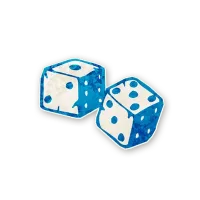
Gambler
Each night*, choose a player & guess their character: if you guess wrong, you die.
Heads, I win. Tails, you lose.
"Each night*, choose a player & guess their character: if you guess wrong, you die." The Gambler can guess who is who... but pays the ultimate price if they guess wrong. Each night except the first, the Gambler chooses a player and guesses their character by pointing to its icon on the character sheet. If the guess is correct, nothing happens. If the guess is incorrect, the Gambler dies. The Gambler does not learn from the Storyteller whether their guess is correct or incorrect. The Gambler may choose any player, dead or alive, even themself.
How to Run
- Each night except the first, wake the Gambler. They point at any player, then point at any character icon on their character sheet. Put the Gambler to sleep. If the chosen player is a different character from the chosen character icon, the Gambler dies—mark them with the DEAD reminder.
Townsfolk

Gossip
Each day, you may make a public statement. Tonight, if it was true, a player dies.
Blah blah blah blah blah blah blah blah blah blah blah blah blah blah blah blah blah blah blah blah blah blah blah blah blah. Blah.
"Each day, you may make a public statement. Tonight, if it was true, a player dies." The Gossip deliberately speaks lies, in the hope of uncovering the truth. Each day, the Gossip may make a public statement. If this statement is true, the Storyteller kills a player that night. If it is false, then no players die due to the Gossip. Mumbled words, whispers, statements the Storyteller doesn’t know are true or false, or statements that someone cannot hear don’t count. Like the Slayer’s ability, the Storyteller and every player must be able to hear and understand the Gossip and be aware that the Gossip is using their ability in order for the Storyteller to judge what happens next. If the Gossip made a true statement during the day while drunk or poisoned, but is sober and healthy when their ability triggers that night, the Storyteller still kills a player.
How to Run
- Each day, if the Gossip makes a definite, true public statement, put the Gossip’s DEAD reminder in the center of the left side of the Grimoire as a reminder to yourself to place it tonight.
- Each night except the first, if the Gossip made a definite, true public statement today, you choose any player. The chosen player dies—mark them with the DEAD reminder.
Examples & Notes
- When choosing a player to die due to the Gossip ability, we recommend that you choose a character that will actually die, not one protected from death by an ability (like the Fool or Tea Lady). The Gossip gains knowledge when their statement caused a death. This is more helpful to the good team, and more fun for everyone.
Townsfolk

Professor
Once per game, at night*, choose a dead player: if they are a Townsfolk, they are resurrected.
The process is simple. Attach the hydraulic confabulator to the modified chi matrix amplifier, add 20 CCs of pseudodorafine, keep his Z levels above 20%, and your husband will be fine. Now, all we need is a lightning strike.
"Once per game, at night*, choose a dead player: if they are a Townsfolk, they are resurrected." The Professor can bring someone back from the dead. Once per game, the Professor can choose a dead player. If that player is a Townsfolk, they are resurrected, becoming alive again. If the Professor chooses an Outsider, Minion, or Demon, then nothing happens, and the Professor’s ability is gone. The resurrected player regains their ability, even a “once per game” ability they used already. Resurrected Townsfolk may or may not get to act on the night of their resurrection, depending on whether they would act before or after the Professor. If they had a “first night only” or “you start knowing” ability, they immediately wake to use it again, as soon as the Professor goes to sleep.
How to Run
- Each night except the first, wake the Professor. The Professor either shakes their head no or points to a dead player. Put the Professor to sleep.
- If the Professor chose a dead Townsfolk, the chosen player becomes alive again—mark them with the Professor’s ALIVE reminder and remove their shroud. (They wake later tonight if they normally would. If they wake on the first night only, they wake now to use their ability.) At dawn, after declaring which players died, declare which player is alive again. (Do not say why.) The Professor loses their ability—mark them with the NO ABILITY reminder and remove their night token from the night sheet.
Townsfolk

Amnesiac
You do not know what your ability is. Each day, privately guess what it is: you learn how accurate you are.
Wait. What. Who? Oh, ok. Wait. What?
"You do not know what your ability is. Each day, privately guess what it is: you learn how accurate you are." The Amnesiac doesn’t know their own ability. The Storyteller decides what the Amnesiac’s ability is. It may be the same ability as another character in Blood On The Clocktower, something similar, or something original. The Amnesiac may wake at any time during the night to learn information or to choose a player, or their ability may be passive—not requiring action from the Amnesiac player. Each day, the Amnesiac talks to the Storyteller in private, and makes a guess as to what their ability is. The Storyteller answers “cold” if the guess is very wrong, “warm” if the guess is on the right track, “hot” if the guess is very close, and “bingo” if the guess is spot on. Their guess may be specific, such as “Am I learning two players each night that are the same alignment?”, or vague, such as “Is my ability something to do with dead players?”
How to Run
- During setup, decide what ability the Amnesiac player has. During the game, treat that player as if they had that ability, waking them when needed, prompting them to choose players when needed, or whatever else is appropriate. Use the Amnesiac’s ? reminders if you need to.
- Each day, the Amnesiac makes a guess about their ability in private. Answer “Cold”, “Warm”, “Hot", or “Bingo”.
Examples & Notes
- Make the Amnesiac’s ability guessable, so that the Amnesiac can figure out what their ability is over time. Learning a piece of information each night, or a power that affects the game in a way that the Amnesiac notices, are both good ideas.
- If the Amnesiac guesses their ability, but the wording is different, still tell them they guessed correctly.
- You can make the Amnesiac’s ability slightly better than a normal Townsfolk’s ability. Not knowing what it is, the player will need to work harder to receive its full benefit.
Townsfolk

Tea Lady
If both your alive neighbors are good, they can't die.
If you are cold, tea will warm you. If you are too heated, tea will cool you. If you are depressed, tea will cheer you. If you are excited, tea will calm you.
"If both your alive neighbors are good, they can't die." The Tea Lady protects her neighbours from death... as long as they are good. If both alive neighbours of the Tea Lady are currently good, those neighbours cannot die. The Demon cannot kill them, nor the Godfather, nor the Gossip. If they are executed, they do not die. The only exception is the Assassin, who can kill someone protected from death. The Tea Lady’s alive neighbours are the two alive players closest to the Tea Lady—one clockwise and one counterclockwise. Skip past any dead neighbours. However, if either alive neighbours is evil, or both are, then the Tea Lady does not protect her alive neighbours . If an evil player dies and the Tea Lady is now neighbouring two good players, then neither can die.
How to Run
- If both alive neighbours of the Tea Lady are good, mark those neighbours’ character tokens with the Tea Lady’s CANNOT DIE reminders. If either alive neighbour of the Tea Lady is evil, remove these reminders. Update these reminders immediately based on this condition throughout the entire game (such as if a player’s alignment changes).
- If a player marked CANNOT DIE would die, they remain alive. If a player marked CANNOT DIE is executed, declare that the marked player is executed but remains alive. (Do not say why.)
Outsider

Goon
Each night, the 1st player to choose you with their ability is drunk until dusk. You become their alignment.
Yes boss. I explained fings real good to dat geezer. He don't want me explain it again. Nah boss, I don't need no doctor - it's only a knife wound. Be right come mornin'
"Each night, the 1st player to choose you with their ability is drunk until dusk. You become their alignment." The Goon is immune to other characters at night, but keeps changing allegiances. Each night, the first time a player wakes to use their ability and chooses the Goon, that player becomes drunk immediately. Their ability does not work tonight, nor the next day. Later on the same night, if another player wakes to use their ability and chooses the Goon, their ability works as normal. The Goon cannot make a player drunk unless the player chose the Goon. The Storyteller choosing the Goon due to an ability, such as the Grandmother’s, doesn’t count. As soon as the Goon makes a player drunk, the Goon changes alignment to match theirs. The Goon still changes alignment, and makes the player drunk, if the player choosing the Goon was already drunk or poisoned. If chosen by the Assassin, the Goon dies but still turns evil.
How to Run
- At night, if a player chooses to use their ability on the Goon and nobody is marked with the Goon’s DRUNK reminder, this player immediately becomes drunk—mark them with the DRUNK reminder. Finish resolving this player’s ability and put them to sleep. If this player’s alignment is different from the Goon’s alignment, rotate the Goon’s character token—right side up for good, upside-down for evil—to match this player’s alignment, then wake the Goon, give them a thumbs-up or a thumbs-down (indicating their new alignment), then put the Goon to sleep.
- The next dusk, the player that the Goon made drunk becomes sober—remove the Goon’s DRUNK reminder.
Outsider

Golem
You may only nominate once per game. When you do, if the nominee is not the Demon, they die.
Golem help? Golem smash! Golem help.
"You may only nominate once per game. When you do, if the nominee is not the Demon, they die." The Golem kills the player they nominate. When the Golem nominates a player, that player immediately dies. The nomination process continues. If the Golem nominates the Demon, nothing happens. The Storyteller doesn’t confirm or deny that the Golem nominated, and continues with the voting process as normal. The Storyteller may say “nothing happens” if clarity is asked for. After the Golem has nominated once, whether or not the nominee dies, the Golem may not nominate again this game. It is the player’s responsibility to refrain from nominating, not the Storyteller’s. Deliberately nominating when they shouldn’t is considered cheating.
How to Run
- If the Golem nominates a non-Demon, that player dies, then the vote continues as normal. Mark the Golem with the MAY NOT NOMINATE reminder.
- If the Golem nominates the Demon, the vote continues as normal. (Do not say why.) Mark the Golem with the MAY NOT NOMINATE reminder.
Examples & Notes
- If the Golem accidentally nominates when they shouldn’t, you can either accept or not accept the nomination. It is best to not accept the nomination—as long as you think that this won’t confirm that a Golem is in play. To keep things fair, also do this for players bluffing as the Golem, reminding them that the Golem cannot nominate more than once.
Outsider

Damsel
All Minions know a Damsel is in play. If a Minion publicly guesses you (once), your team loses.
Don't touch the hair, honey.
"All Minions know a Damsel is in play. If a Minion publicly guesses you (once), your team loses." The Damsel needs to avoid being found by the Minions. If a Minion guesses that you are the Damsel, and does so publicly (so that all players know that they are a Minion), evil wins. No matter how many Minions are in play, they only get one guess, total. If a Minion makes a guess and is wrong, future guesses by this Minion or by other Minions don’t count. If the Demon pretends to be a Minion making a guess, that doesn’t count as a guess. Minions may still make a guess and win. Minions may make a guess at any time. If the Damsel dies, they are no longer at risk of being guessed by a Minion, since the Damsel loses their ability when dead. There may not be a Huntsman in play. But if there is, and the Huntsman chooses the Damsel at night, the Damsel becomes a not-in-play Townsfolk, and is no longer the Damsel. The Damsel learns which Townsfolk and has that Townsfolk ability from then on.
How to Run
- During the first night, wake each Minion. Show the Damsel token. Put each Minion to sleep.
- At any time during the game, if a Minion publicly guesses which player is the Damsel and is incorrect, mark the Damsel with the GUESS USED reminder. Future guesses by Minion players have no effect.
- At any time during the game, if a Minion publicly guesses which player is the Damsel and is correct, the game ends. Declare that the evil team wins.
Outsider

Puzzlemaster
1 player is drunk, even if you die. If you guess (once) who it is, learn the Demon player, but guess wrong & get false info.
When one begins to think that some thing is merely some other thing, one is usually on the brink of an error. Patience, patience. Don’t confuse just and should with is and isn’t.
"1 player is drunk, even if you die. If you guess (once) who it is, learn the Demon player, but guess wrong & get false info." The Puzzlemaster tries to figure out who is drunk. A player is drunk for the whole game. It will most often be a Townsfolk, but could be an Outsider. This player does not know that they are drunk. Once per game, the Puzzlemaster may guess which player it is. They may guess publicly, or privately. Whatever their guess, the Storyteller privately tells the Puzzlemaster the name of one player. If the Puzzlemaster guessed correctly, they learn which player the Demon is. If the Puzzlemaster guessed incorrectly, they learn a different player instead. The Puzzlemaster isn’t told if they guessed correctly or not. Only the player made drunk by the Puzzlemaster counts as a successful guess. Players drunk by other means don’t count. If the Puzzlemaster dies, the drunk player is still drunk. A dead Puzzlemaster may not make a guess, as they don’t have that part of their ability.
How to Run
- While preparing the first night, mark any player with the Puzzlemaster’s DRUNK reminder. This player is drunk.
- At any time during the game, the Puzzlemaster may guess a player, either publicly or by having a private discussion with you. If their guessed player is marked by the Puzzlemaster’s DRUNK reminder, privately tell the Puzzlemaster which player is the Demon. If their guessed player is not marked by the Puzzlemaster’s DRUNK reminder, privately tell the Puzzlemaster the name of a non-Demon player. (Do not say if they guessed correctly or not.) Either way, mark the Puzzlemaster with the GUESS USED reminder.
Examples & Notes
- While you can make a Minion or the Demon drunk with the Puzzlemaster ability, only do this if you have an excellent reason in mind. It is almost always best to select a Townsfolk player.
Minion

Godfather
You start knowing which Outsiders are in play. If 1 died today, choose a player tonight: they die. [-1 or +1 Outsider]
Normally, it's just business. But when you insult my daughter, you insult me. And when you insult me, you insult my family. You really should be more careful - it would be a shame if you had an unfortunate accident.
"You start knowing which Outsiders are in play. If 1 died today, choose a player tonight: they die. [-1 or +1 Outsider]" The Godfather takes revenge when the town kills Outsiders. Whenever an Outsider is executed and dies, the Godfather chooses one player to die that night. The Godfather only kills if an Outsider dies during the day. Outsiders that die at night don’t count. If the Godfather is in play, this adds or removes one Outsider from play. At the start of the game, the Godfather learns which Outsiders are in play. If two Outsiders died today, the Godfather still only kills one player tonight.
How to Run
- While setting up the game, before putting the character tokens in the bag, either remove one Townsfolk and add one Outsider or remove one Outsider and add one Townsfolk.
- During the first night, wake the Godfather. Show them the character tokens of all Outsiders in play. Put the Godfather to sleep.
- If an Outsider dies during the day, mark them with the DIED TODAY reminder. That night, wake the Godfather. They point at any player. Put the Godfather to sleep. The chosen player dies—mark them with the DEAD reminder.
Minion

Devil's Advocate
Each night, choose a living player (different to last night): if executed tomorrow, they don't die.
My client, should the objection be overruled, pleads innocent by virtue of the prosecution's non-observance of statute 27.B - incorrect or misleading conjugation of a verb. The fact that nine of the jury died last night is simply prima facie, which is, as Wills vs Thule set precedent for, further reason to acquit.
"Each night, choose a living player (different to last night): if executed tomorrow, they don't die." The Devil's Advocate saves players from execution. Each night, the Devil’s Advocate chooses a player to protect from death by execution. The next day, if that player is executed, the execution succeeds but the player remains alive. The Devil’s Advocate cannot choose the same player two nights in a row, whether or not that player was saved from execution today, and they cannot choose a Zombuul that registers as dead.
How to Run
- Each night, wake the Devil’s Advocate. They point at any player. Put the Devil’s Advocate to sleep. Mark the chosen player with the SURVIVES EXECUTION reminder.
- If a player marked SURVIVES EXECUTION is executed, declare that the player was executed but remains alive. (Do not say why.)
Minion

Psychopath
Each day, before nominations, you may publicly choose a player: they die. If executed, you only die if you lose roshambo.
Surprise!
"Each day, before nominations, you may publicly choose a player: they die. If executed, you only die if you lose roshambo." The Psychopath kills in broad daylight. During the day, if the Psychopath declares that they are the Psychopath and publicly chooses a player, that player dies. This can only be done once per day, and only before the Storyteller has called for nominations. The Psychopath does not need to use this ability if they don’t want to. The Psychopath can be nominated and voted for normally. If the Psychopath is executed, they might not die. They play Roshambo (Paper-Rock-Scissors) with the player that nominated them. The nominator needs to win for the Psychopath to die. Drawing or losing means the Psychopath lives. If the Psychopath is executed, this still counts as the one execution for the day. No more players may be nominated or executed today. If the Psychopath dies by other means, such as the Demon attacking them, they do not play Roshambo. They die.
How to Run
- Once per day, before you have called for nominations, the Psychopath may publicly choose a player. That player dies.
- If the Psychopath is executed, the Psychopath and the nominator play a game of Roshambo. If the Psychopath loses, they die. If the Psychopath draws or wins, they live. Either way, the day ends, since there is only one execution per day.
- If the Psychopath is executed due to a self-nomination, then the Psychopath plays Roshambo with you instead.
Minion

Scarlet Woman
If there are 5 or more players alive & the Demon dies, you become the Demon. (Travellers don't count.)
You have shown me the secrets of the Council of the Purple Flame. We have lain together in fire and in lust and in beastly commune, and I am forever your servant. But tonight, my dear, I am your master.
"If there are 5 or more players alive & the Demon dies, you become the Demon. (Travellers don't count.)" The Scarlet Woman becomes the Demon when the Demon dies. If there are five or more players just before the Demon dies—that is, four or more players left alive after the Demon dies—then the Scarlet Woman immediately becomes the Demon, and the game continues as if nothing happened. Travellers do not count as players when seeing if the Scarlet Woman's ability triggers. If less than five players are alive when the Demon is executed, then the game ends and good wins. If five or more players are alive when the Imp kills themself at night, the Scarlet Woman must become the new Imp. If the Scarlet Woman becomes the Demon, they are that Demon in every way. Good wins if they are executed. They attack each night. They register as the Demon.
How to Run
- If the Demon dies and there were five or more alive players immediately before the Demon died, replace the Scarlet Woman token with a spare Imp token, changing that player's character from the Scarlet Woman into the Imp. (They are now the Demon and have the Imp's ability. If they die, good wins.)
- That night, wake the new Imp, show them the YOU ARE info token, then show them the Imp token.
- In Trouble Brewing, there is only one Demon—the Imp. In other editions, there are multiple possible Demons. If the Scarlet Woman becomes the Demon, they become the same type of Demon that died, and they gain this Demon's ability. When this happens, mark the Scarlet Woman with the IS THE DEMON reminder and refer to that Demon's "How to Run" instructions.
Demon

Shabaloth
Each night*, choose 2 players: they die. A dead player you chose last night might be regurgitated.
Blarg f'taag nm mataan! No sho gumtha m'sik na yuuu. Fluuuuuuuuurg h-sikkkh.
"Each night*, choose 2 players: they die. A dead player you chose last night might be regurgitated." The Shabaloth eats two players per night, but may vomit one of them back up the following night. Unlike most Demons, the Shabaloth attacks twice per night. The night after the attack, the Storyteller may decide that one of the players attacked by the Shabaloth comes back to life. This can be an alive player that was killed, or a dead player that was attacked. The regurgitated player regains their ability, even a “once per game” ability already used. If they had a “first night only” or “start knowing” ability, they may use it again.
How to Run
- Each night except the first, wake the Shabaloth. They point at any two players, one at a time. Put the Shabaloth to sleep. In the order chosen, each chosen player dies—mark them with DEAD reminders.
- Each later night, just before waking the Shabaloth, you can choose one character marked with the Shabaloth’s DEAD reminder, and the chosen player becomes alive again—replace the DEAD reminder with the Shabaloth’s ALIVE reminder, and remove their shroud. They wake later tonight if they normally would. If they wake on the first night only, they wake now to use their ability. At dawn, after declaring which players died, declare which player is alive again. (Do not say why.)
Examples & Notes
- Since the Shabaloth cannot regurgitate themself—they have no ability when dead—it is best to only rarely make the Shabaloth regurgitate. Once per game, maybe twice, is usually sufficient.
Demon

Ojo
Each night*, choose a character: they die. If they are not in play, the Storyteller chooses who dies.
Like a bonfire on a moonless night… I see you, mortal.
"Each night*, choose a character: they die. If they are not in play, the Storyteller chooses who dies." The Ojo chooses specifically which character dies. Unlike other Demons, the Ojo must choose a character, not a player. The Storyteller may need to remind the player of this. We recommend that all players have their character sheet handy during the night phase. The Ojo can kill evil characters, if they wish. If there are multiple copies of a particular character in play, and the Ojo chooses that character to die, only one of those characters dies. If the Ojo chooses a character that is not in play, the Storyteller will almost always kill a living good player. It is possible, but uncommon, for the Storyteller to choose a dead player or an evil player to die.
How to Run
- Each night except the first, wake the Ojo. The Ojo player points to a character icon on their character sheet. If that character is in play, that player dies—mark them with the “Dead” reminder. If that character is not in play, choose any player. That player dies—mark them with the “Dead” reminder. Put the Ojo to sleep.
Examples & Notes
- If the Ojo is on a script with a Demon that kills multiple times per night, such as the Shabaloth, and the Ojo chooses a not-in-play character, you may choose more than one player to kill that night. This helps the Ojo player pretend that a different Demon is in play.
Demon

Fang Gu
Each night*, choose a player: they die. The 1st Outsider this kills becomes an evil Fang Gu & you die instead. [+1 Outsider]
Your walls and your weapons are but smoke in dreams.
"Each night*, choose a player: they die. The 1st Outsider this kills becomes an evil Fang Gu & you die instead. [+1 Outsider]" The Fang Gu possesses Outsiders. The first time a Fang Gu attacks and kills an Outsider, the Fang Gu dies, and the Outsider becomes a Fang Gu and turns evil. This can only happen once per game. If the new Fang Gu attacks an Outsider, the Outsider dies as normal. The new Fang Gu counts as the Demon, and good wins if they die. They do not learn which players are Minions. There is an extra Outsider in play. If the Fang Gu attacks an Outsider but that Outsider does not die, that Outsider does not become an evil Fang Gu and the Fang Gu does not die.
How to Run
- While setting up the game, before putting character tokens in the bag, add one extra Outsider character token and remove one Townsfolk character token.
- Each night except the first, wake the Fang Gu. They point at any player. Put the Fang Gu to sleep.
- If the chosen player is not an Outsider, that player dies—mark them with the DEAD reminder.
- If the chosen player is an Outsider and the ONCE reminder is in the center of the Grimoire, that player dies—mark them with the DEAD reminder.
- If the chosen player is an Outsider and the ONCE reminder is not in the centre of the Grimoire, the Fang Gu dies—mark them with the DEAD reminder. Wake the chosen Outsider. Show them the YOU ARE info token, then the Fang Gu token, then the YOU ARE info token, then a thumbs-down. Change their character to a Fang Gu—swap their character token with the spare Fang Gu token. They become evil. Put the new Fang Gu to sleep. Put the ONCE reminder in the center of the Grimoire. (Unlike “Once per game” abilities, this reminder stays there for the rest of the game. Don’t remove it, even if the Fang Gu dies or changes character.)
Demon

Lleech
Each night*, choose a player: they die. You start by choosing a player: they are poisoned. You die if & only if they are dead.
Tasty, tasty, tasty, tasty, tasty, tasty, tasty, tasty brai- I mean pie! Yes. Tasty pie. That’s what I meant to say.
"Each night*, choose a player: they die. You start by choosing a player: they are poisoned. You die if & only if they are dead." The Lleech lives if their host lives, and dies if their host dies. On the first night, the Lleech chooses a player, who is poisoned for the rest of the game. If this player is alive, the Lleech cannot die. If the Lleech is executed, the Storyteller tells the group that the player lives, but not why. If the player that the Lleech chose dies, the Lleech dies as well. If this means that only one or two players are left alive, good still wins, because the Demon is dead. From the second night onwards, players that the Lleech attacks die but are not poisoned. If a Lleech is created mid-game, they poison a player that night. They must choose an alive player.
How to Run
- During the first night, wake the Lleech. They point at any player. That player is poisoned—mark them with the POISONED reminder. Put the Lleech to sleep.
- Each night except the first, wake the Lleech. They point at any player. That player dies—mark them with the DEAD reminder. Put the Lleech to sleep.
- If the Lleech would die but the player marked with the Lleech’s POISONED reminder is alive, the Lleech does not die. If the player marked with the Lleech’s POISONED reminder is dead, the Lleech dies and the good team wins.
Examples & Notes
- When giving false information to a good player poisoned by the Lleech, make sure this information seems true. If the good player believes it to be false, they will quickly execute themselves and win the game.
Traveller

Judge
Once per game, if another player nominated, you may choose to force the current execution to pass or fail.
I find the defendant guilty of the crimes of murder, fraud, arson, larceny, impersonating an officer of the law, practicing medicine without a license, slander, regicide, and littering.
"Once per game, if another player nominated, you may choose to force the current execution to pass or fail." The Judge can determine if an execution succeeds or not, regardless of who voted. The Judge can decide to pardon a player that they think is innocent, to condemn a player that they think is guilty, or vice versa. If the nominee is pardoned, then they are not executed today, and none of the votes for them count. If the nominee is condemned, then they are executed immediately, regardless of how many votes they received, and regardless of whether another player was about to die by execution. Then the day ends, because there can normally only be one execution per day. The Judge may use their ability during or after the votes are tallied. However, once a new player has been nominated, then the Judge may only use their ability on this new nominee. The Judge may only use their ability once, and only if a different player made a nomination.
How to Run
- At any time during a nomination for execution—from the moment that the nomination is declared to the moment before a new player is nominated for execution—the Judge can declare that this execution succeeds or fails. If the Judge declares that it succeeds, the nominated player is executed and you may proceed to the night phase (as there may only be one execution per day). If the Judge declares that it fails, the nominated player is no longer about to die and they are treated as receiving zero votes for execution, and the nomination process continues. The Judge loses their ability—put the Judge’s NO ABILITY reminder token by the Judge token.
Traveller

Bureaucrat
Each night, choose a player (not yourself): their vote counts as 3 votes tomorrow.
Sign here please. And here. And here. Aaaaaaaaand here. This should all be sorted and tallied by the end of the day, assuming everyone's signatures are legible. We haven't had a mix-up in the paperwork for ages. Yesterday noon, if memory serves...
"Each night, choose a player (not yourself): their vote counts as 3 votes tomorrow." The Bureaucrat gives extra votes to a player of their choice. When a player chosen by the Bureaucrat votes, that vote counts as three votes. This happens every time that player votes that day. The player with the triple vote loses it immediately if the Bureaucrat dies, including if the Bureaucrat is exiled, because the Bureaucrat loses their ability. Exiles are never affected by abilities, so the player with the triple vote can only support exiles once, not three times. Since the Storyteller counts the number of votes out loud as they move their hand around the circle, all players will know which player the Bureaucrat chose.
How to Run
- Each night, wake the Bureaucrat. They point at any player. Mark the chosen player with the Bureaucrat’s 3 VOTES reminder. Put the Bureaucrat to sleep.
- Each time you tally the vote of a player marked 3 VOTES, count it as three votes instead of one. (Count this out loud, as normal.)
Traveller

Gangster
Once per day, you may choose to kill an alive neighbor, if your other alive neighbor agrees.
I like your shoes. It would be such a shame if you had a little accident, and they got ruined. Now that you mention it, I like your cufflinks too.
"Once per day, you may choose to kill an alive neighbor, if your other alive neighbor agrees." The Gangster encourages their neighbors to kill each other. The Gangster may kill one of their two living neighbors. Their dead neighbors are skipped over, and do not count. To use their ability, the Gangster and one of their living neighbors must agree to kill the other living neighbor. The Storyteller must hear and confirm this agreement. The Gangster cannot kill without the Storyteller present. Each day, the Gangster may say whatever they want, and offer any encouraging words they want to either player. Once an agreement has been reached, then the Gangster may not use their ability again today, even if that player didn’t die due to an ability protecting them. The Gangster’s two living neighbors are always one clockwise, and one counter-clockwise. If both living neighbors want to kill the other, the Gangster decides who dies.
How to Run
- Once per day, the Gangster can declare that they wish to use their ability. If so, ask if an alive neighbor agrees. If an alive neighbor agrees, the other alive neighbor dies. If both alive neighbors agree, the Gangster chooses which alive neighbor dies. If neither alive neighbor agrees, the Gangster may not use their ability today.
Traveller

Harlot
Each night*, choose a living player: if they agree, you learn their character, but you both might die.
Enchanté, Sailor. You look like you need someone to really listen to your troubles. I'm a good listener. Very, very good.
"Each night*, choose a living player: if they agree, you learn their character, but you both might die." The Harlot learns the character of whoever agrees to reveal it, but at great risk for them both. Each night, the Harlot chooses a player. That player has a decision to make: do they reveal their character to the Harlot? If they do, the Storyteller may decide that both this player and the Harlot die tonight. The Harlot only learns the character of the chosen player, not that player’s alignment. The Harlot may discuss during the day which character they would like to pick at night, and other players may offer to be picked, but they may go back on their word and choose differently when night comes.
How to Run
- Each night, wake the Harlot. The Harlot points at any player. Put the Harlot to sleep. Wake the chosen player, show them the THIS CHARACTER SELECTED YOU' info token, then the Harlot token. That player either nods their head yes or shakes their head no. Put that player to sleep.
- If they shook their head no, then nothing happens. Continue with the night phase.
- If they nodded their head yes, wake the Harlot and show them the chosen player’s character token. Put the Harlot to sleep. You may decide that both players die—mark them with DEAD reminders.
Examples & Notes
- When choosing whether to kill players, do what you feel is the most interesting and balanced. If the Demon reveals to the Harlot, you should not end the game by killing them.
Traveller

Scapegoat
If a player of your alignment is executed, you might be executed instead.
Good evening! Thank you for inviting me to the ball. I'm not from around here, but you sure seem like a friendly bunch, by golly. I'm sure we'll get along just dandy. What's all that rope for?
"If a player of your alignment is executed, you might be executed instead." The Scapegoat is executed instead of an ally. If the Scapegoat is evil, they might die instead of an evil player dying. If the Scapegoat is good, they might die instead of a good player dying. When exactly this happens is up to the Storyteller. This can only happen due to an execution, not death by other means such as a Demon or Slayer. The Scapegoat being killed still counts as an execution, so no more nominations occur today. As always, players do not learn the alignment of the Scapegoat when they die.
How to Run
- If a player of the same alignment as the Scapegoat would be executed, you may choose that the Scapegoat is executed instead. The Scapegoat dies.
Examples & Notes
- It is best to use the Scapegoat’s ability before the final day, because a Scapegoat that remains alive on the final day will almost certainly be exiled. You should always use an evil Scapegoat’s ability to prevent evil from losing the game.
Fabled

Spirit of Ivory
There can't be more than 1 extra evil player.
The Wasteland calls. Bones rise to flesh, then fall to dust. The great spirit grows. The great spirit watches. The great spirit guides. The human listens, or the human is no more.
"There can't be more than 1 extra evil player." Add the Spirit of Ivory to your script to keep the number of evil players fair and balanced. When creating character lists using the Script Tool, it is a good idea to include no more than one character that adds evil characters. If two or more players turn evil, then the evil team can win simply by revealing who they are and winning due to their voting majority. Adding the Spirit of Ivory prevents too many players turning evil, creating a more fun and fair game for the good players. With a Spirit of Ivory in play, only one more player than normal can ever be evil. If a second player would become evil, they stay good instead. The normal number of evil players is printed on the Traveller sheet and on the Setup sheet.
How to Run
- At the start of the game, declare that the Spirit of Ivory is in play. Add the Spirit of Ivory token and their reminder token to the Grimoire.
- At all times, if there is an extra evil character in play, mark the Spirit of Ivory with the NO MORE EVIL reminder. (If any character becomes good, remove the reminder.)
- If a player would become evil and the Spirit of Ivory is marked NO MORE EVIL, that player stays good.